Predictive Maintenance AI in India: Why Most Pilots Stall, and How Plants Move to Production
Why predictive maintenance AI pilots in Indian plants stall after the demo, and a practical path from feasibility study …
Read article

Sensing-based AI for factories and critical assets: multi-modal sensor units, energy-efficient edge AI and sovereign deployments where your data never leaves the plant. Co-developed with your engineers, on your process, against your targets.
Every one of these has a signature in sound, vibration, ultrasound or image data. Detecting it reliably, in your noise, on your machines, with your data staying on site, is engineering work, and it is the work we do.
A bearing, a compressor or a transformer fails without warning and the whole line waits.
Welding, machining, extrusion and cell-assembly defects found too late to prevent.
Quality checks that are slow, sampled or destroy the part they test.
Partial discharge and insulation faults that announce themselves for months, unheard.
An internal pilot or a generic vendor tool that never met the goal on your machines.
Multi-site learning and cloud dashboards blocked by IT security, and rightly so.
We do not sell a generic product. Every system is co-developed with your engineers against your process, your machines and your targets. These are the engagements most clients start with; the full list includes feasibility studies, datasets, advisory and training.
Applied R&D done together with your engineers, on your process, with a measurable target agreed up front.
Co-developed sensor units and on-device AI with NeuroControls GmbH: vision, audio (audible to ultrasonic), vibration, lidar, environmental and gas sensing in one platform.
AI that stays on your premises: on-device and on-premise deployment, and federated learning across plants without moving raw data.
Models sized for the hardware and the site's power budget: quantisation, pruning, efficient architectures, real-time on embedded devices.
Each step has a fixed scope and a clear output. You decide at every rung whether to climb the next one. Most Indian clients start remotely; measurement and deployment steps happen on site.
You bring the problem and the data you have. We ask the awkward questions and tell you whether sensing AI is the right tool.
Fixed scope, fixed fee, on your data or a short measurement campaign. A written report with an honest go / no-go.
Milestone-based. A validated prototype on your data, evaluated against strong baselines, with a dataset you own.
Sensor units and edge AI on one line, integrated with PLC, SCADA or MES, handed over to your OT/IT team, then scaled.
Already have a data science team? An advisory retainer gives you senior engineering time by the day or month.
With our industrial partner NeuroControls GmbH we co-develop ruggedised sensor units that fuse vision, audio from audible to ultrasonic, vibration, lidar, temperature, humidity and gas. Fusion is where robustness comes from: a microphone fooled by a forklift is corrected by the accelerometer that felt nothing.
Illustrative. In projects we show real spectrograms, point clouds and benchmark plots from your data, not stock visuals.
Cloud-first industrial AI runs into data residency law, customer contracts and trade-secret reality. Our default architecture is inference on the edge, training and monitoring on-premise, and federated learning across sites so only model updates travel, never raw recordings.
We publish our methods and evaluate them honestly: strong baselines, realistic conditions, no invented numbers. Performance figures are quoted from the papers or from your own data, never from a brochure.
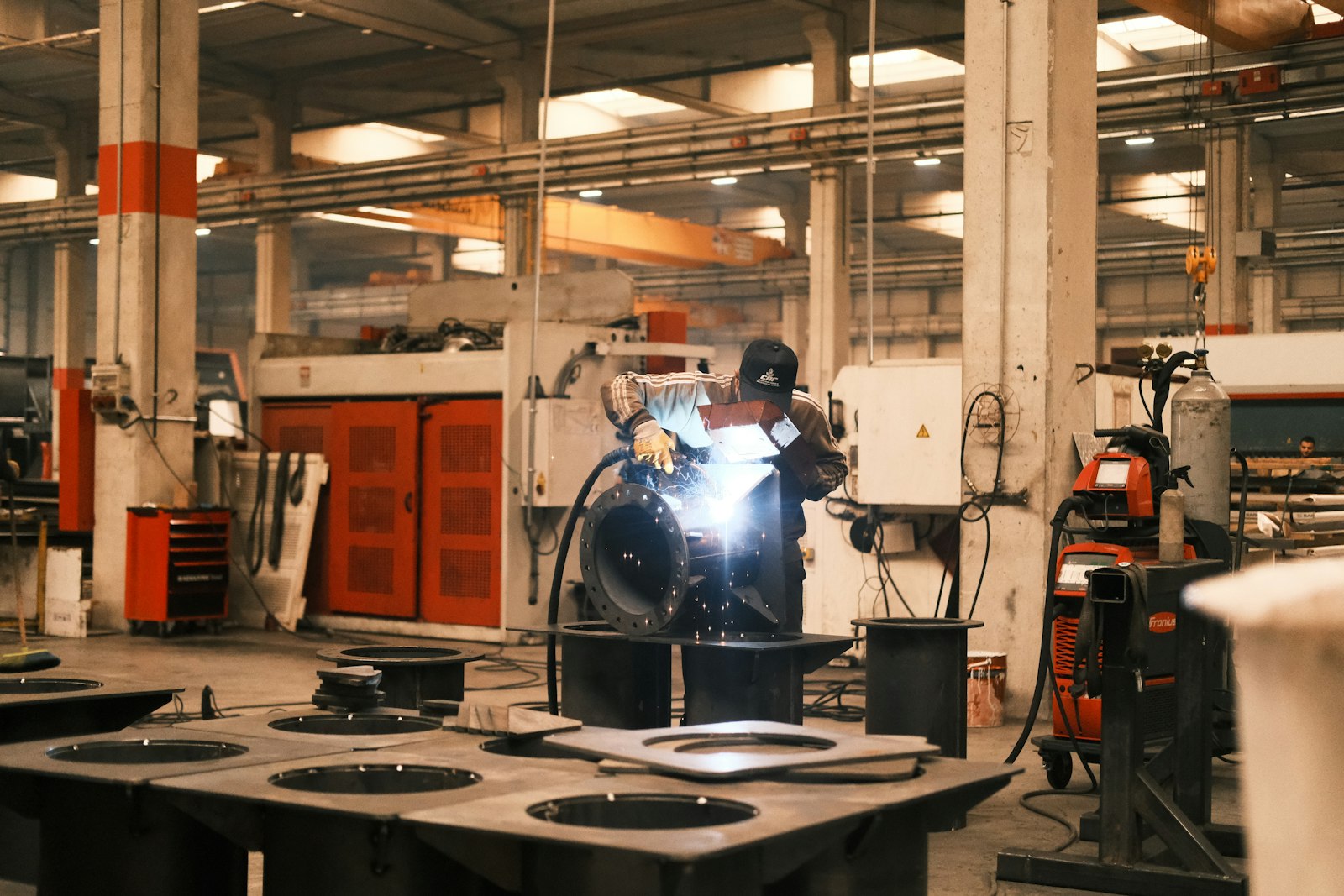
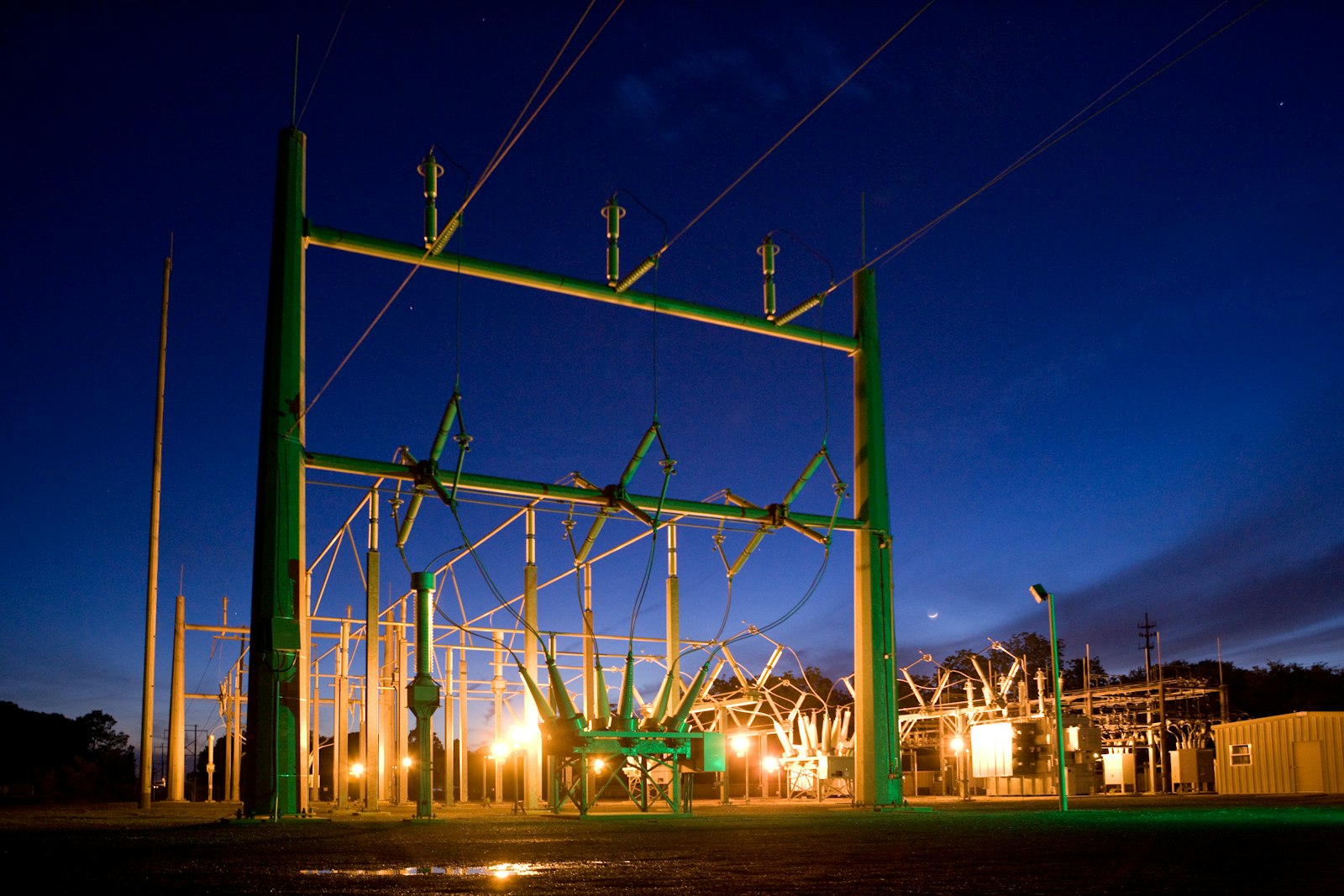
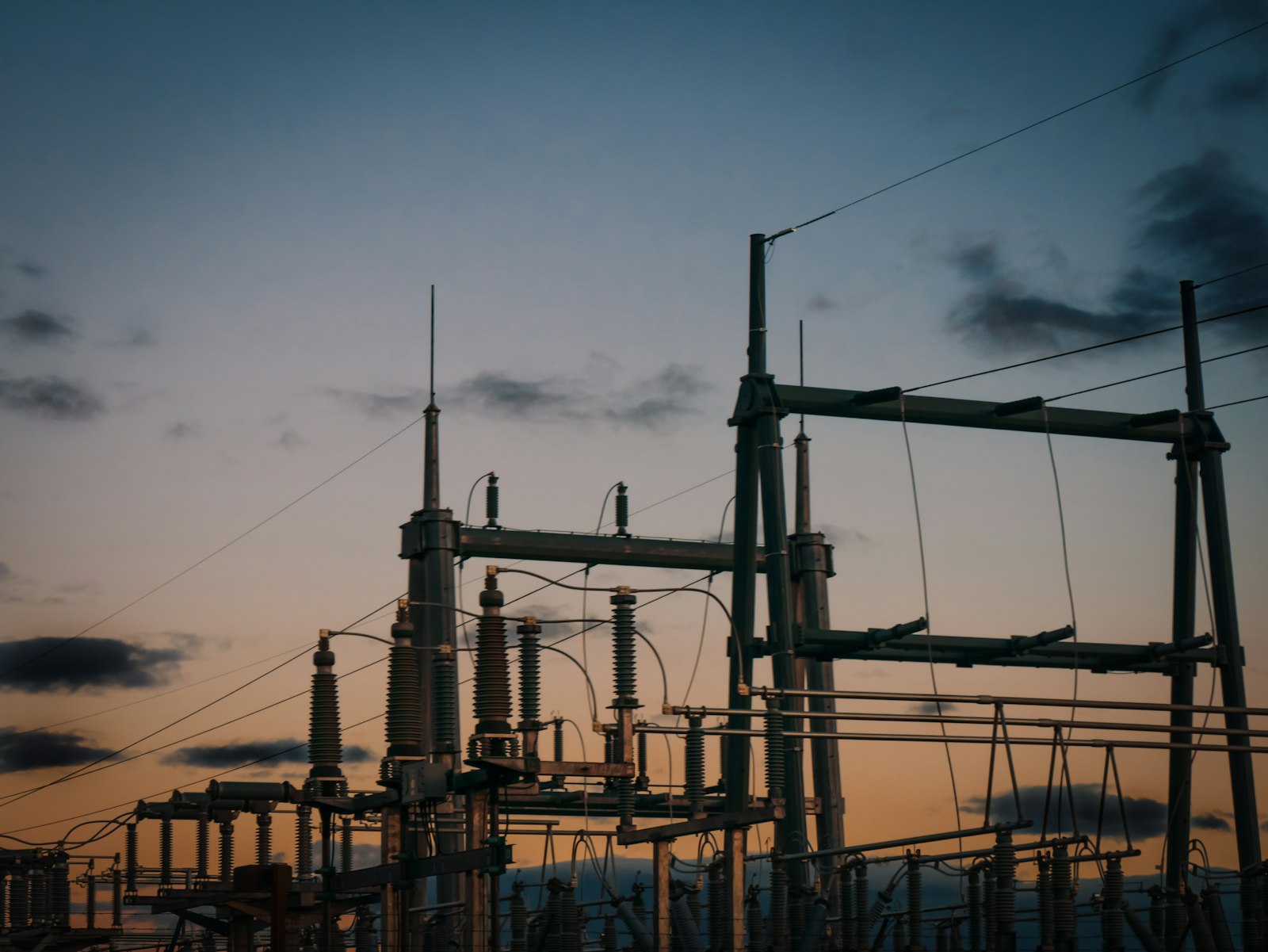
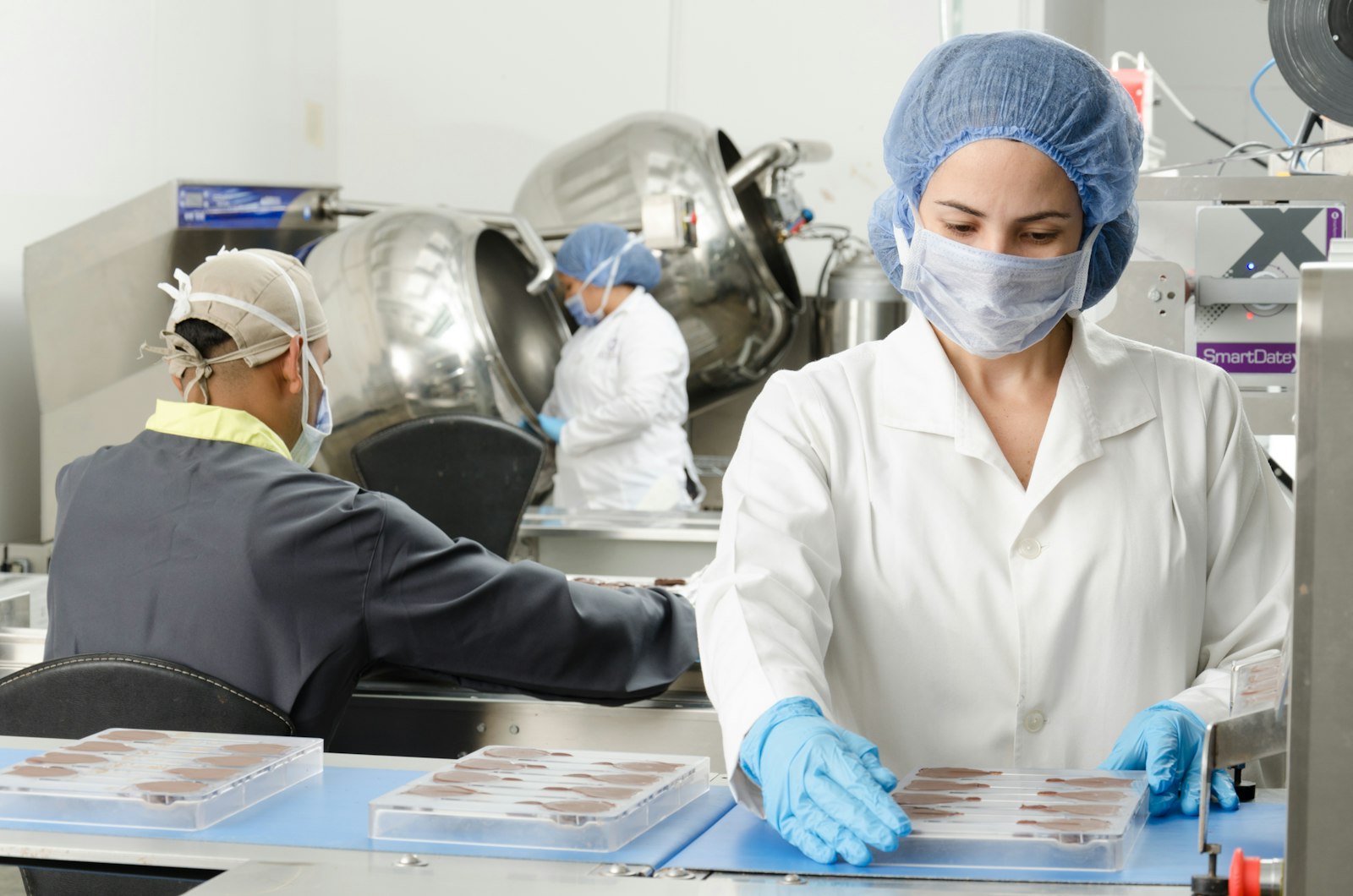
Large enterprises and large SMEs in India's manufacturing clusters, and our existing project base in Germany, Austria, Switzerland and the EU.
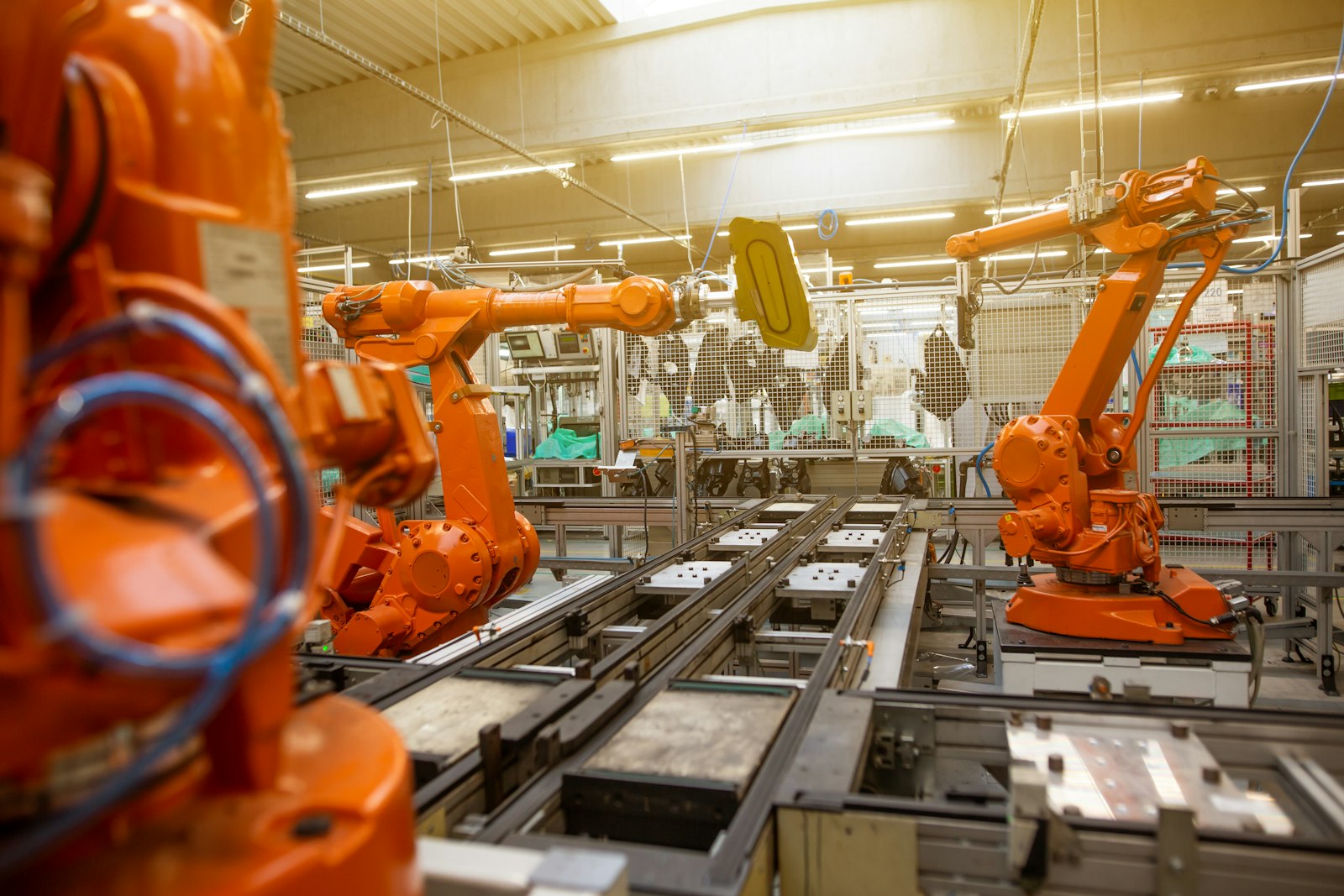
Weld, process and machine monitoring across body shops, machining and assembly.

Inline quality for welding, filling, formation and assembly, with recipes that never leave the plant.
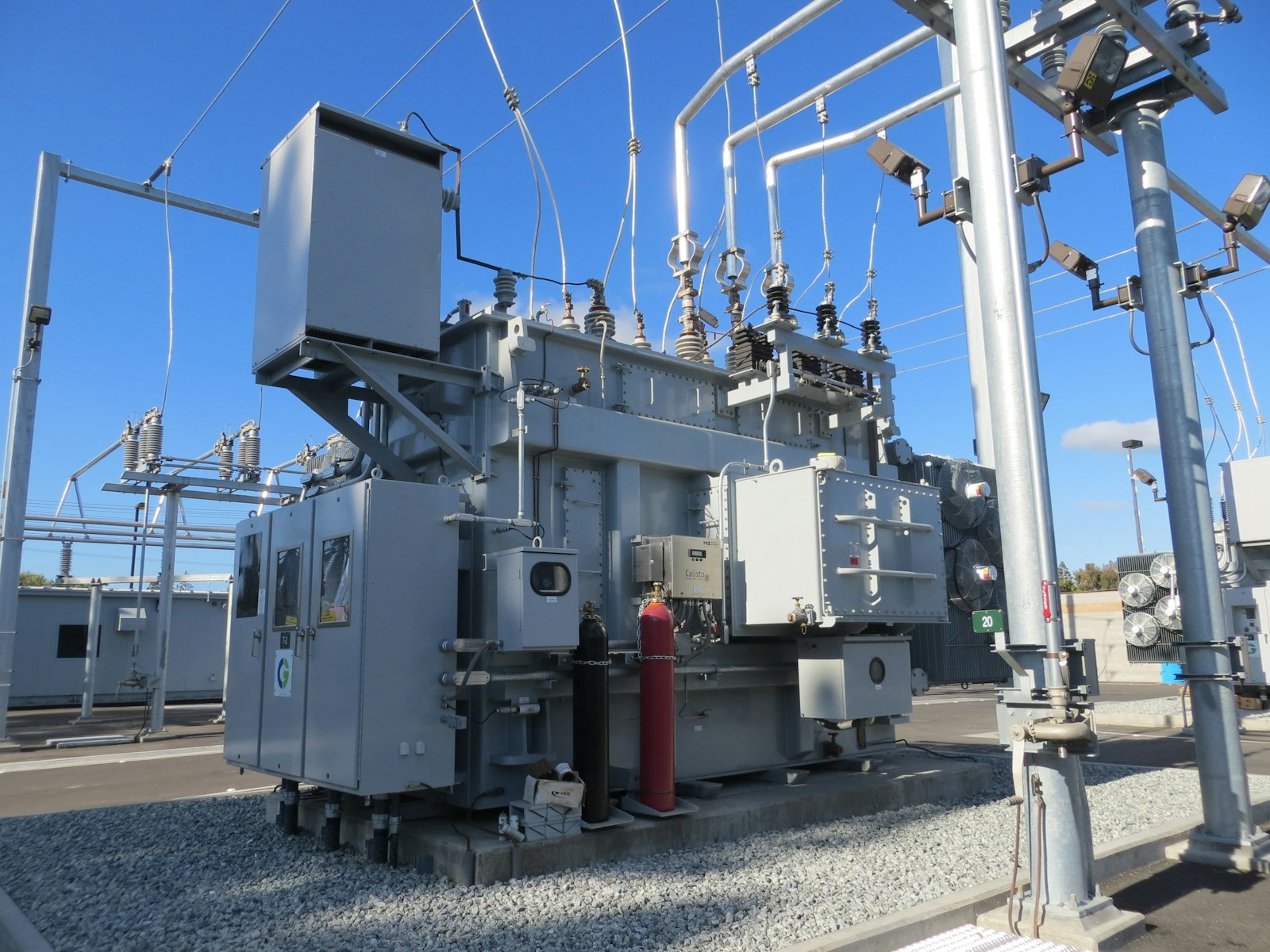
Non-contact partial discharge and transformer monitoring for substations and plant distribution.
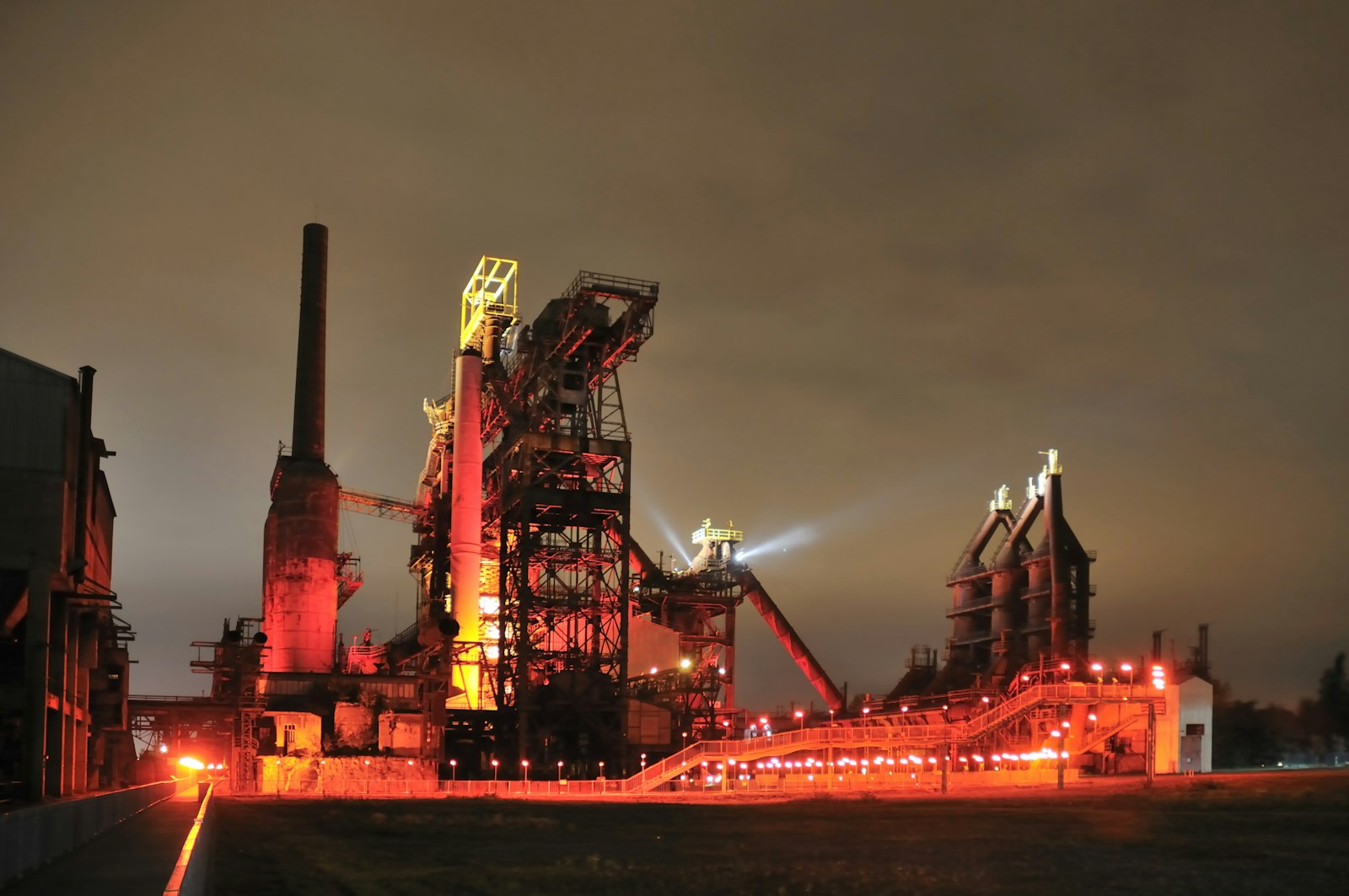
Continuous-process monitoring where downtime costs are measured per hour, not per part.

Inline process and quality tracking for extrusion, filling, packaging and cleanroom equipment.
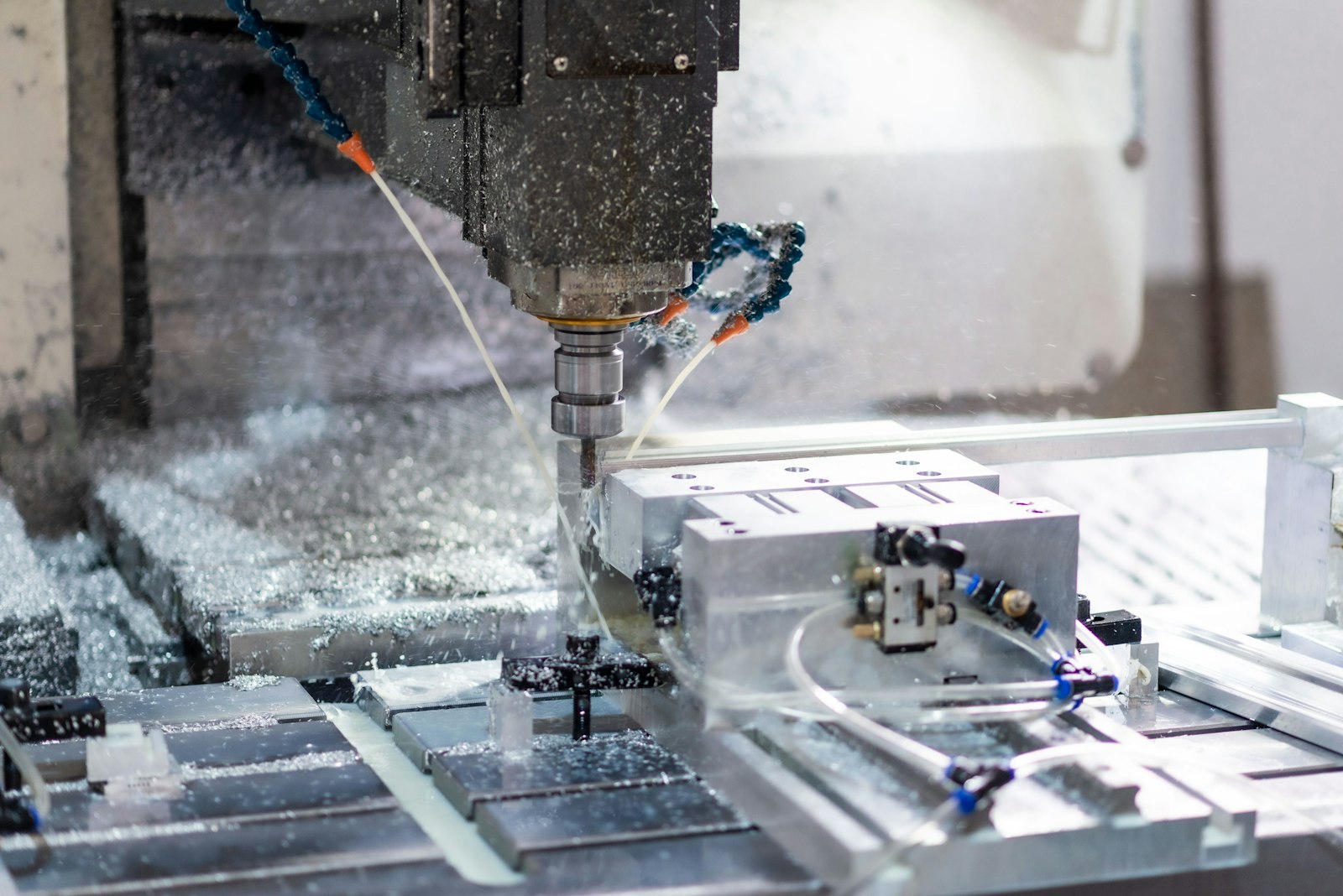
Embedded sensing and AI as a feature of your machine, engineered with your R&D team.
We work inside your process with your engineers, from measurement plan to deployed system.
Vision, audio from audible to ultrasonic, vibration, lidar, environmental and gas sensors, co-developed and deployed with NeuroControls GmbH.
On-premise and on-device deployment, no cloud dependency, data stays with you; federated learning across plants where needed.
Models sized for the hardware and the site's power budget, not for a data centre.
Baselines, ablations, realistic test conditions and a go / no-go gate before large spend.
Experience from German SMEs, automotive OEMs, battery manufacturers, technical universities and leading research institutes, with on-site work in India.
Practical writing on acoustic and vibration AI, sovereign architectures, edge deployment and what actually gets a project to production.

Why predictive maintenance AI pilots in Indian plants stall after the demo, and a practical path from feasibility study …
Read article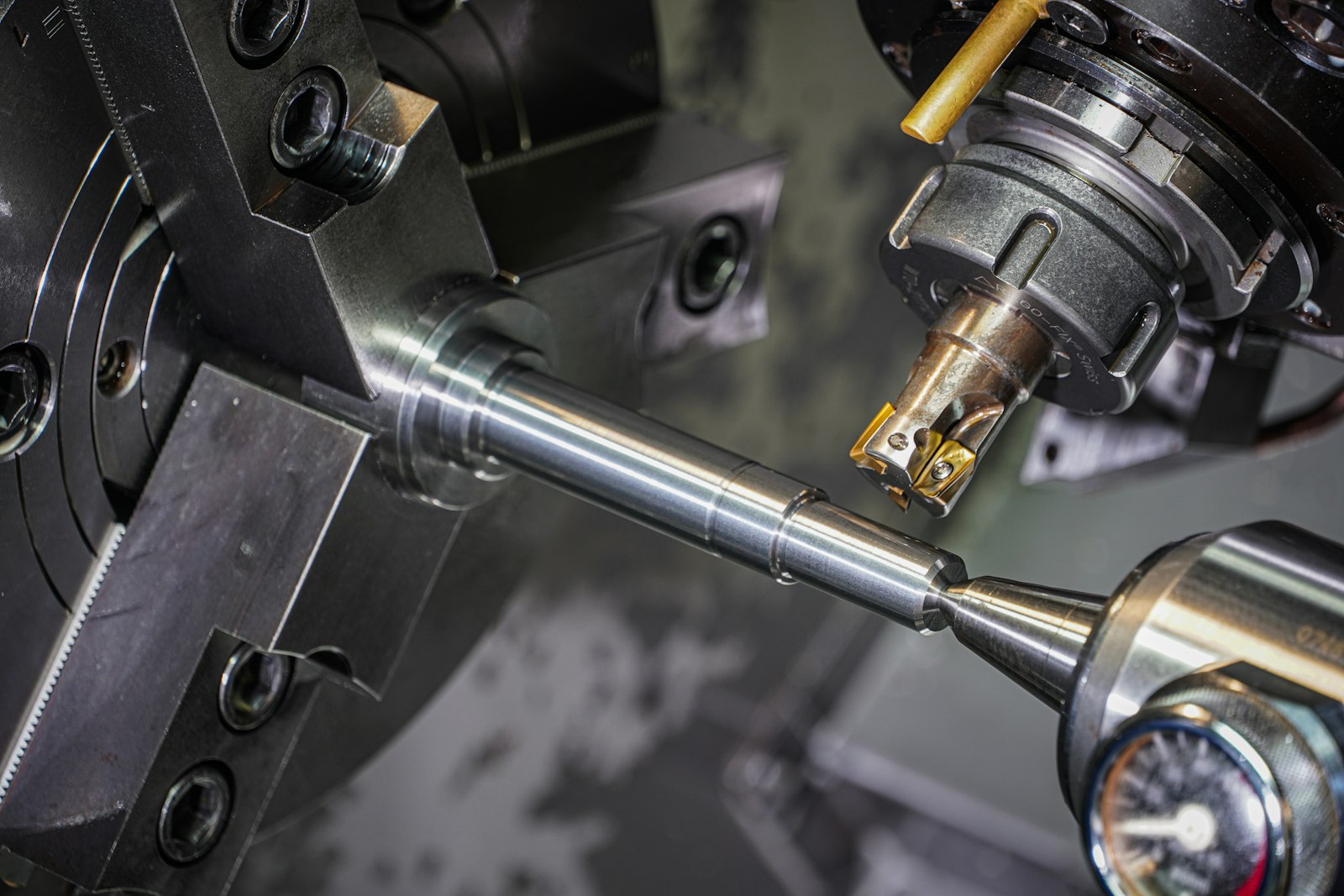
A practical comparison of airborne acoustic, ultrasonic and vibration sensing for machine and process monitoring, with a…
Read article
What sovereign AI means for manufacturers in India and Germany, why on-premise and on-device deployment is becoming the …
Read article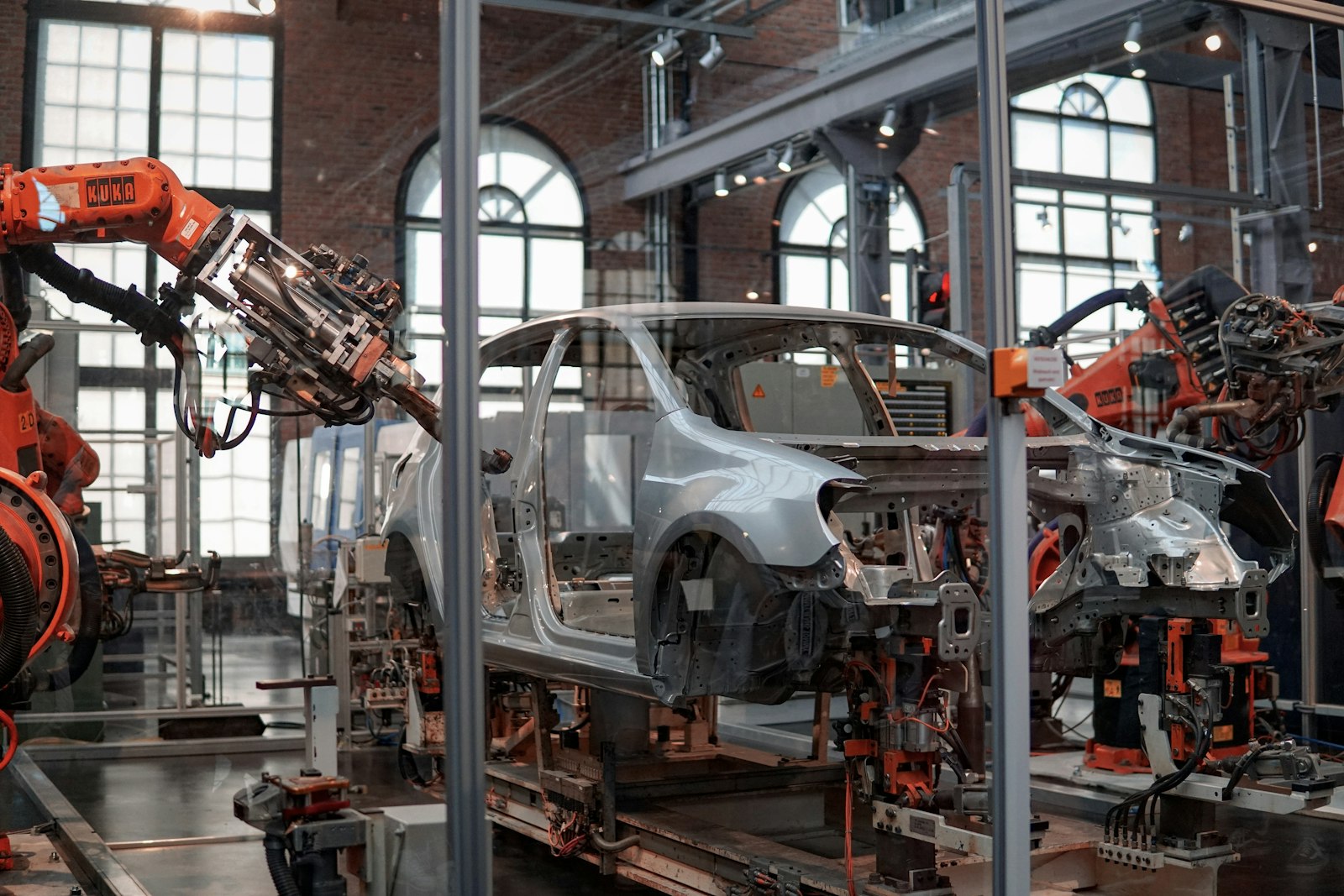
Product-first industrial AI often fails in real plants because of noise, drift and undefined targets. Here is why co-dev…
Read articleStart with a free 30 to 45 minute discovery call. Bring the problem, the data you have and your questions. We will tell you honestly whether sensing-based AI is the right tool and what the next step would cost in days, not months.