Industries

Sensing-based AI for the industries where downtime and defects cost the most

Large enterprises and large SMEs in automotive, battery, power, process, pharma and food, and machine building, in India's manufacturing clusters and across Germany, Austria, Switzerland and the EU. The physics differs by sector; the engineering discipline does not.

PuneChennaiBengaluruHyderabadDelhi NCRAhmedabadVadodaraCoimbatoreJamshedpurMunichErfurtStuttgartViennaZürichPuneChennaiBengaluruHyderabadDelhi NCRAhmedabadVadodaraCoimbatoreJamshedpurMunichErfurtStuttgartViennaZürich
Automotive & Auto-Component
Industry 01

Automotive & Auto-Component

Weld, process and machine monitoring across body shops, machining and assembly.

Automotive is where our methods were first proven, in projects with German OEMs and suppliers. The pressure is the same in Pune, Chennai and Sanand: zero-defect targets, high-speed lines and a supplier audit every quarter. Sensing-based AI catches the events that create defects while they happen, not at end-of-line inspection.

  • In-process weld monitoring — Laser, resistance spot and ultrasonic welding monitored acoustically, trained across the process window so it survives recipe changes.
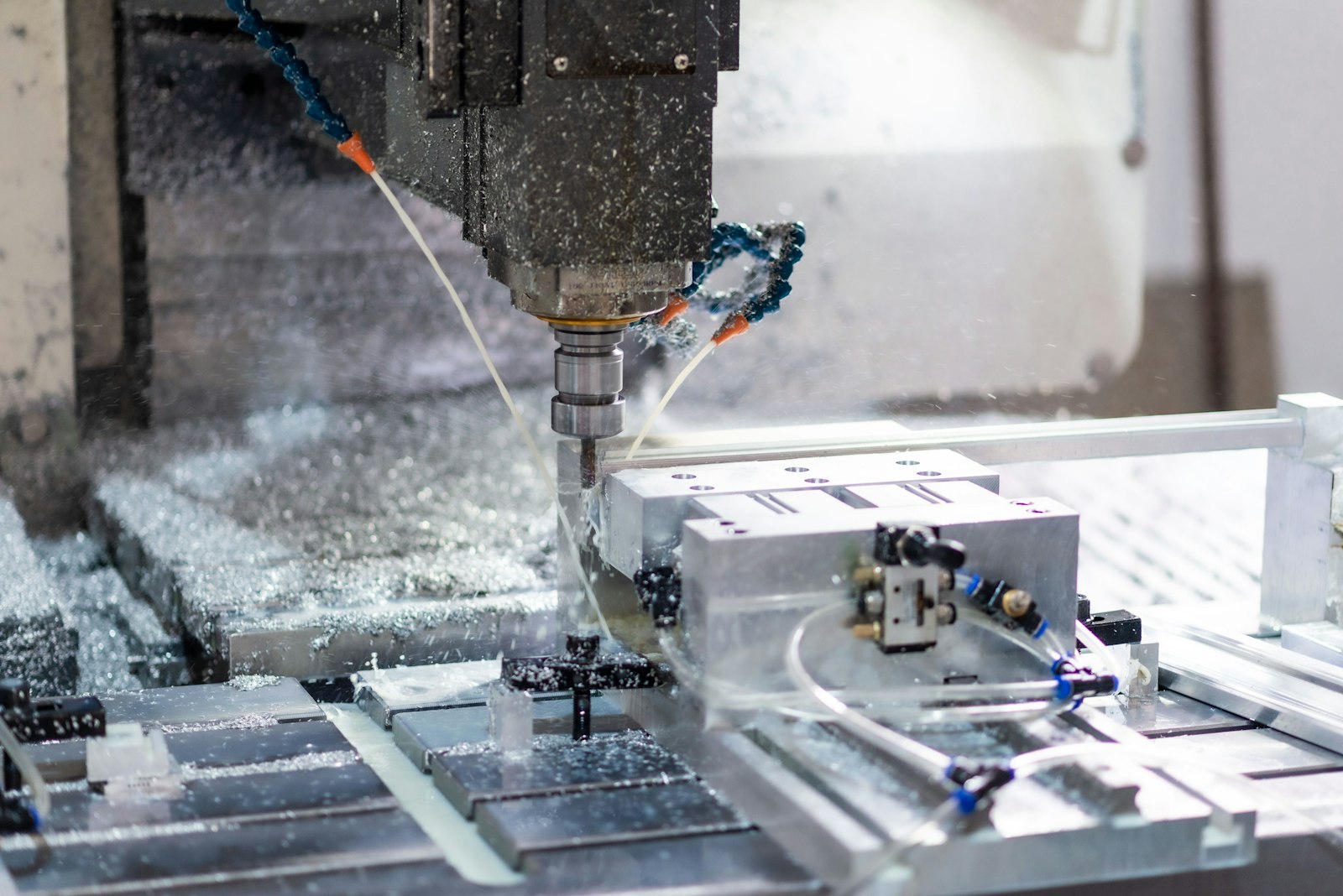
  • Machining and tool condition — Chatter, tool wear and breakage from audible and ultrasonic signatures, fused with spindle load.
  • Press and stamping lines — Die condition and misfeed detection from vibration and acoustic emission.
  • Assembly and fastening — Torque, seating and click signatures for connectors and fasteners.

Discuss a project in this sector

Battery Cell, Module & Pack
Industry 02

Battery Cell, Module & Pack

Inline quality for welding, filling, formation and assembly, with recipes that never leave the plant.

Yield decides the economics of a gigafactory, and many defect-creating steps are fast, sealed or both. Our experience with German battery cell and module manufacturers maps directly onto India's new cell and pack capacity: multi-modal sensing station by station, edge inference at the line, and sovereign deployment because cell chemistry is a trade secret.

  • Tab and busbar welding — Acoustic emission and vision for ultrasonic and laser welds whose quality is invisible afterwards.
  • Electrolyte filling and sealing — Ultrasound and gas sensing for leaks and incomplete wetting.
  • Formation and ageing — Acoustic and thermal precursors of internal shorts and gassing, fused with electrical data.
  • Module and pack assembly — Fastening, thermal interface and connector-seating signatures correlated with field failures.

Discuss a project in this sector

Power, Utilities & Heavy Electrical
Industry 03

Power, Utilities & Heavy Electrical

Non-contact partial discharge and transformer monitoring for substations and plant distribution.

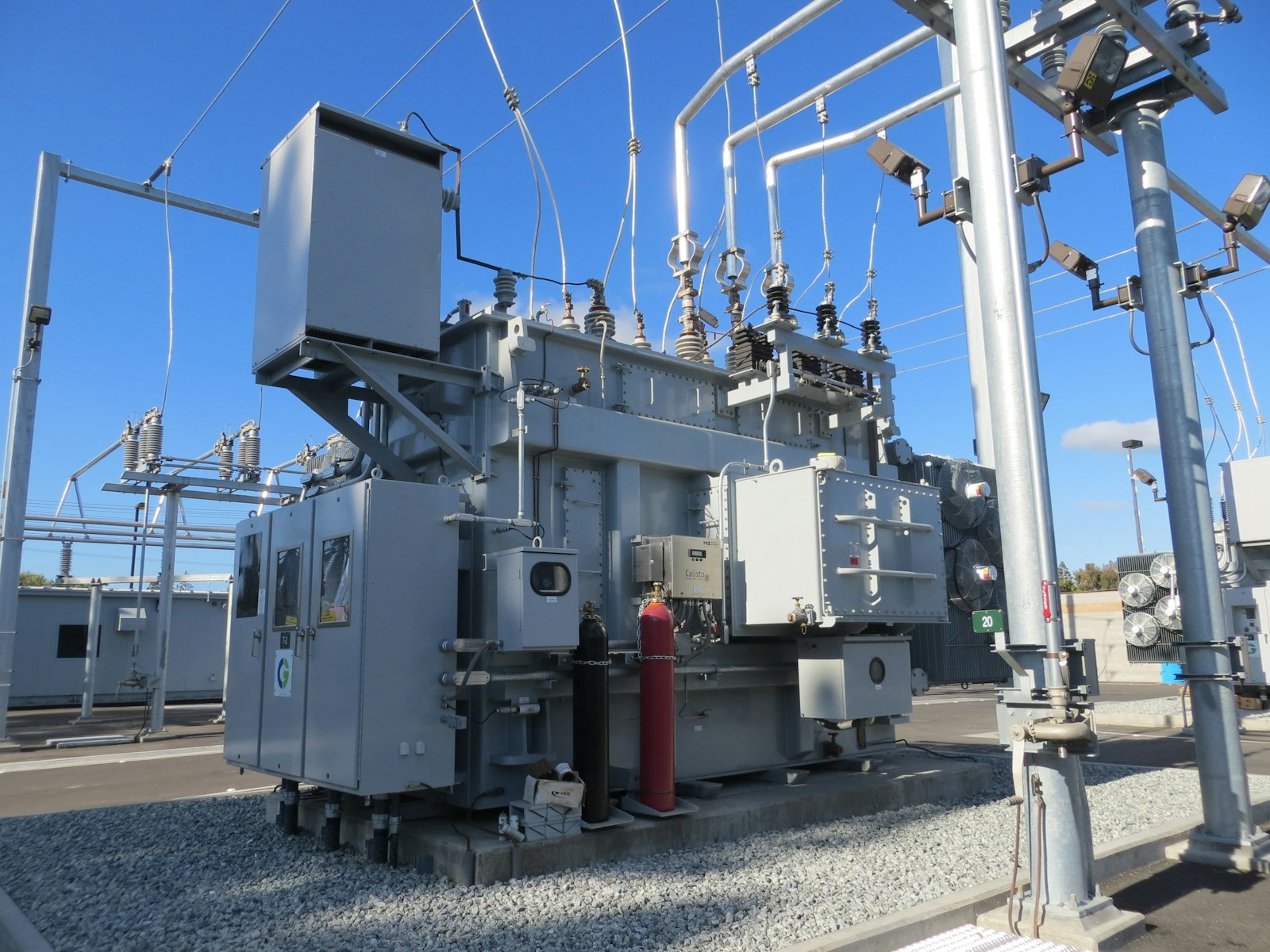
Insulation fails slowly and audibly. Our published work on partial discharge detection with airborne acoustics and deep neural networks enables continuous, non-contact monitoring of switchgear, transformers and cables: no outage for installation, no electrical connection to the asset, and no raw data leaving the site. Relevant to utilities and to every steel, cement and chemical plant running its own high-voltage distribution.

  • Partial discharge detection — Ultrasonic-capable microphones at panels and bays, edge detectors, severity trends to the maintenance system.
  • Transformer and reactor monitoring — Acoustic and vibration signatures of core, winding and tap-changer issues.
  • Rotating electrical machines — Motor and generator condition from vibration, current and acoustics.
  • Multi-site fleets — Federated learning across substations without centralising recordings.

Discuss a project in this sector

Process Industries: Steel, Cement, Chemicals, Oil & Gas
Industry 04

Process Industries: Steel, Cement, Chemicals, Oil & Gas

Continuous-process monitoring where downtime costs are measured per hour, not per part.

Continuous plants run on rotating equipment, pumps, compressors, fans, kilns and mills, in acoustically hostile environments where generic products give up. We design sensing setups robust to that noise, deploy inference at the asset and keep everything on-premise. Leak and gas detection add safety value on top of availability.

  • Rotating equipment — Pumps, fans, compressors and gearboxes monitored with fused vibration and acoustic signals.
  • Leak and gas detection — Ultrasonic leak signatures and gas sensing in one unit.
  • Kilns, mills and crushers — Acoustic signatures of load, wear and abnormal operation.
  • Electrical distribution — Partial discharge and transformer monitoring for the plant's own substations.

Discuss a project in this sector

Pharma, Food & FMCG
Industry 05

Pharma, Food & FMCG

Inline process and quality tracking for extrusion, filling, packaging and cleanroom equipment.

Our acoustic quality-control research on food extrusion showed that acoustic signatures track quality changes in continuous processes, a pattern that transfers to mixing, granulation, tabletting, filling and packaging lines. Non-contact sensing suits hygienic and cleanroom environments, and edge deployment keeps validated systems self-contained.

  • Extrusion and granulation — Acoustic tracking of process state and quality drift.
  • Filling and packaging lines — Jam, misfeed and seal-quality signatures from acoustics and vibration.
  • Cleanroom and utility equipment — HVAC, compressors and pumps monitored without contact.
  • Regulated environments — Documentation designed for validation and audit.

Discuss a project in this sector

Machine & Tool Builders
Industry 06

Machine & Tool Builders

Embedded sensing and AI as a feature of your machine, engineered with your R&D team.

Machine builders want monitoring built into the product, not bolted on afterwards. We co-develop the sensor integration, the models and the edge deployment with your R&D engineers, sized for your controller and your unit economics, and hand over a dataset and a fleet-ready MLOps setup so the feature keeps working across thousands of machines in the field.

  • Embedded condition monitoring — Sensors and models integrated into the machine design.
  • Process quality features — Chatter, tool wear and quality prediction as product functions.
  • Fleet learning — Federated learning across installed machines without collecting customer data.
  • Funded R&D projects — Support for publicly funded and university-linked development.

Discuss a project in this sector

Ready to find out if it works on your machines?

Start with a free 30 to 45 minute discovery call. Bring the problem, the data you have and your questions. We will tell you honestly whether sensing-based AI is the right tool and what the next step would cost in days, not months.